01
Gather photographs
An album, a memory box, or a digital collection can preserve faces, places, and moments that tell the story of a life beyond the death.
Grief, memory, and enduring bonds
After someone dies, their absence changes everyday life. What remains is a voice we still hear in our thoughts, familiar gestures, meaningful objects, shared stories — and the deeply human need to give all of it a place.
An experience without a fixed timeline
Grief can affect emotions, sleep, concentration, routines, and even the way we recognize ourselves. Some days may feel gentler; others bring the absence back with unexpected force. A date, a song, a scent, or a familiar phrase can awaken a memory long after the death.
You do not need to “move on” in order to keep moving forward. Over time, the bond may simply take a different form. Speaking the person’s name, sharing their stories, keeping an object, or creating a ritual are all ways of acknowledging that the relationship continues to hold a place in your life.
Gestures that feel true to you
No gesture is too simple when it carries a genuine story. What comforts one person may not feel right for another. The important thing is to choose what respects the bond, the person’s wishes, and the moment you are living through.
An album, a memory box, or a digital collection can preserve faces, places, and moments that tell the story of a life beyond the death.
A signature, a handwritten recipe, a card, or a few familiar lines can become a deeply personal and comforting presence.
A piece of clothing, a watch, a tool, or an everyday object may hold a memory that could never be measured by its material value.
Lighting a candle, preparing a favourite meal, listening to a song, or gathering on a meaningful date can create time and space to remember together.
Planting a tree, tending a flower, creating a quiet corner, or returning to a cherished place can give remembrance a tangible home.
Sharing their expressions, values, and favourite stories helps preserve what they brought to their family and to the people who knew them.
Ashes, hair, and treasured elements
An urn, a lock of hair, or a personal belonging may be irreplaceable. It is completely natural to hesitate before entrusting any part of it to someone else. Nothing requires an immediate decision, and keeping these elements safely stored is always a valid choice.
When you wish to carry the memory with you
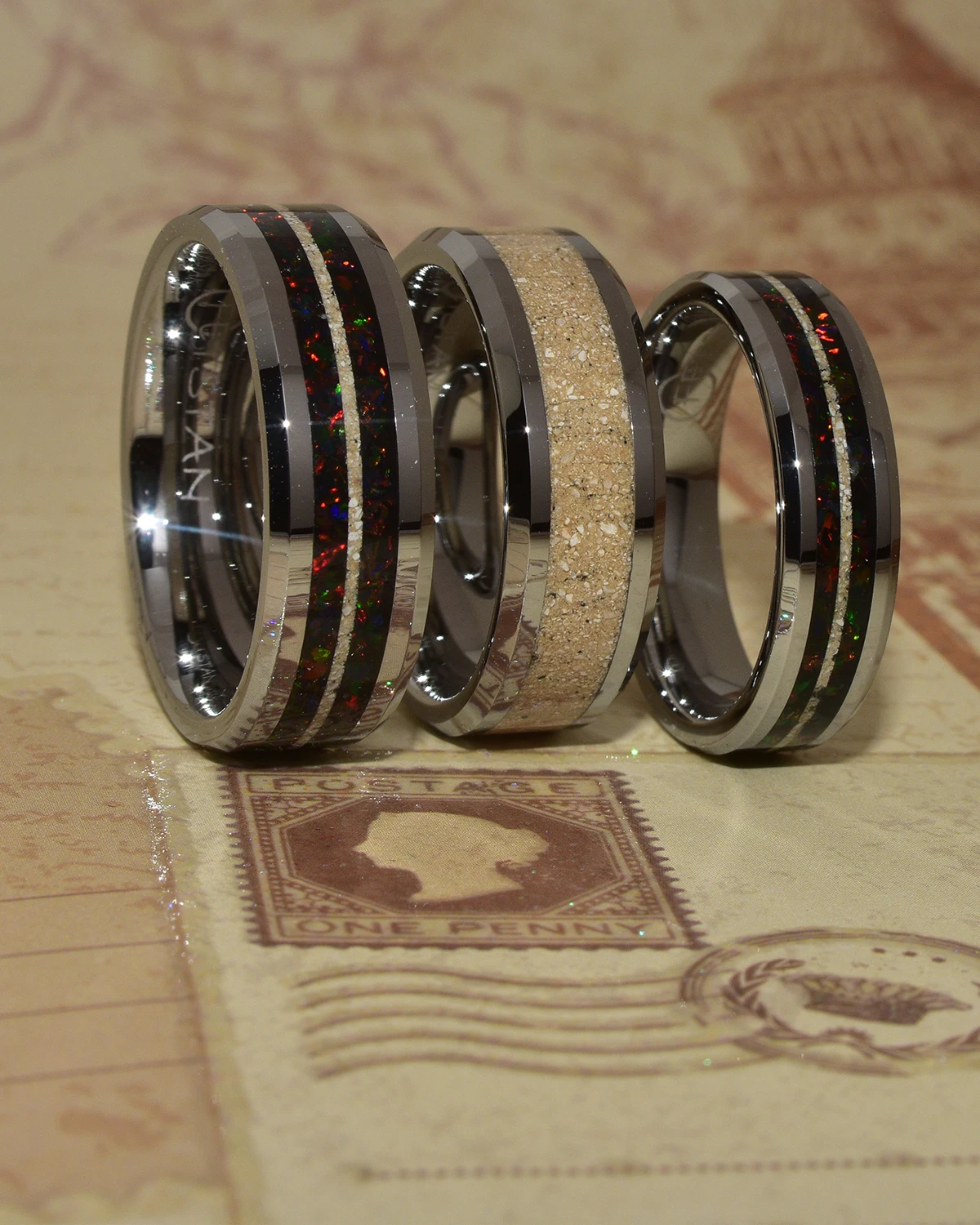
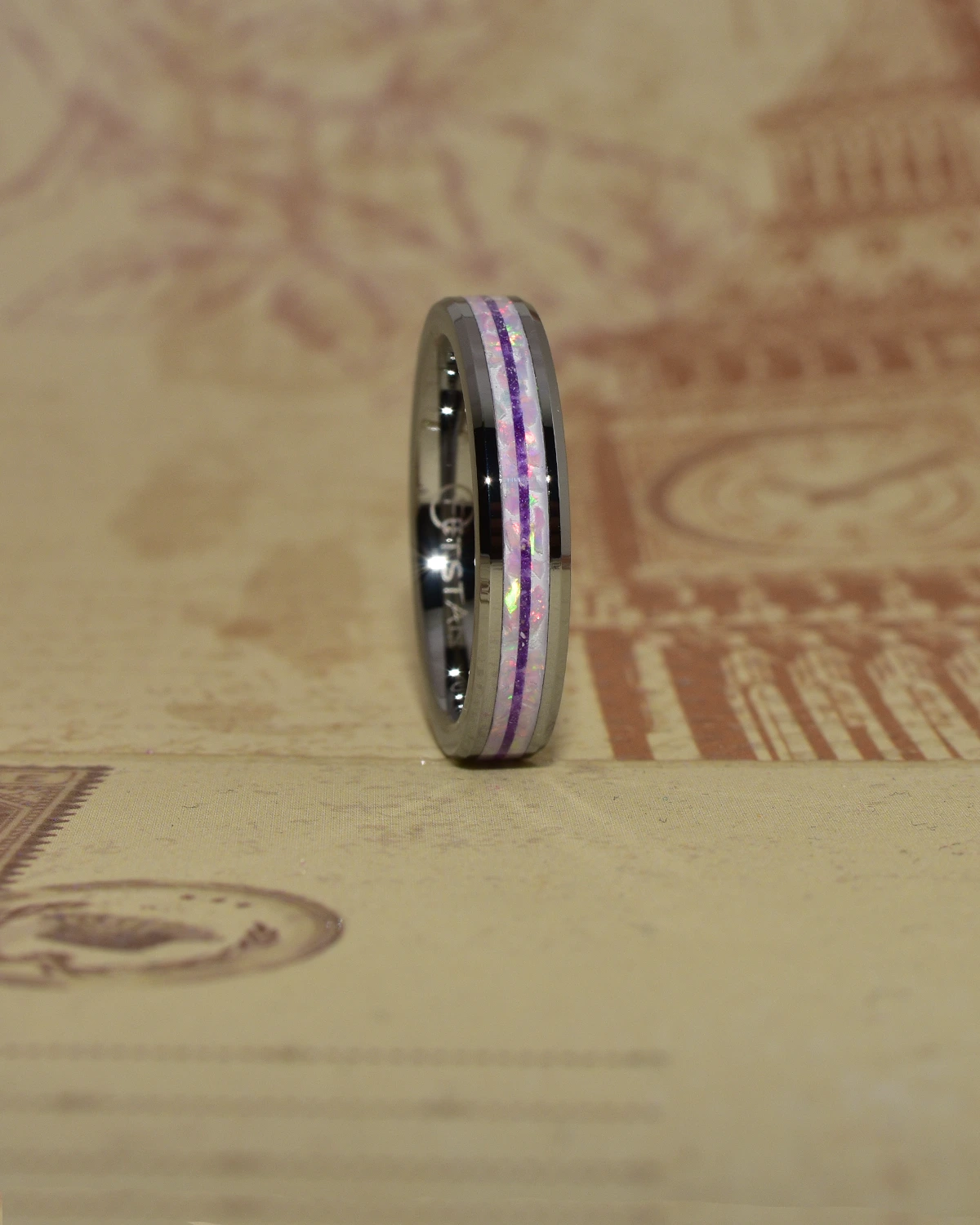
Some people find comfort in a locket, pendant, watch, or ring. Not because an entire life can be held within an object, but because it offers a symbol they can keep close and touch when the absence is deeply felt.
Memorial jewellery is only one possibility among many. It should be chosen freely, without urgency, and because it genuinely feels right for the person who will wear it.
The Fetstan promise
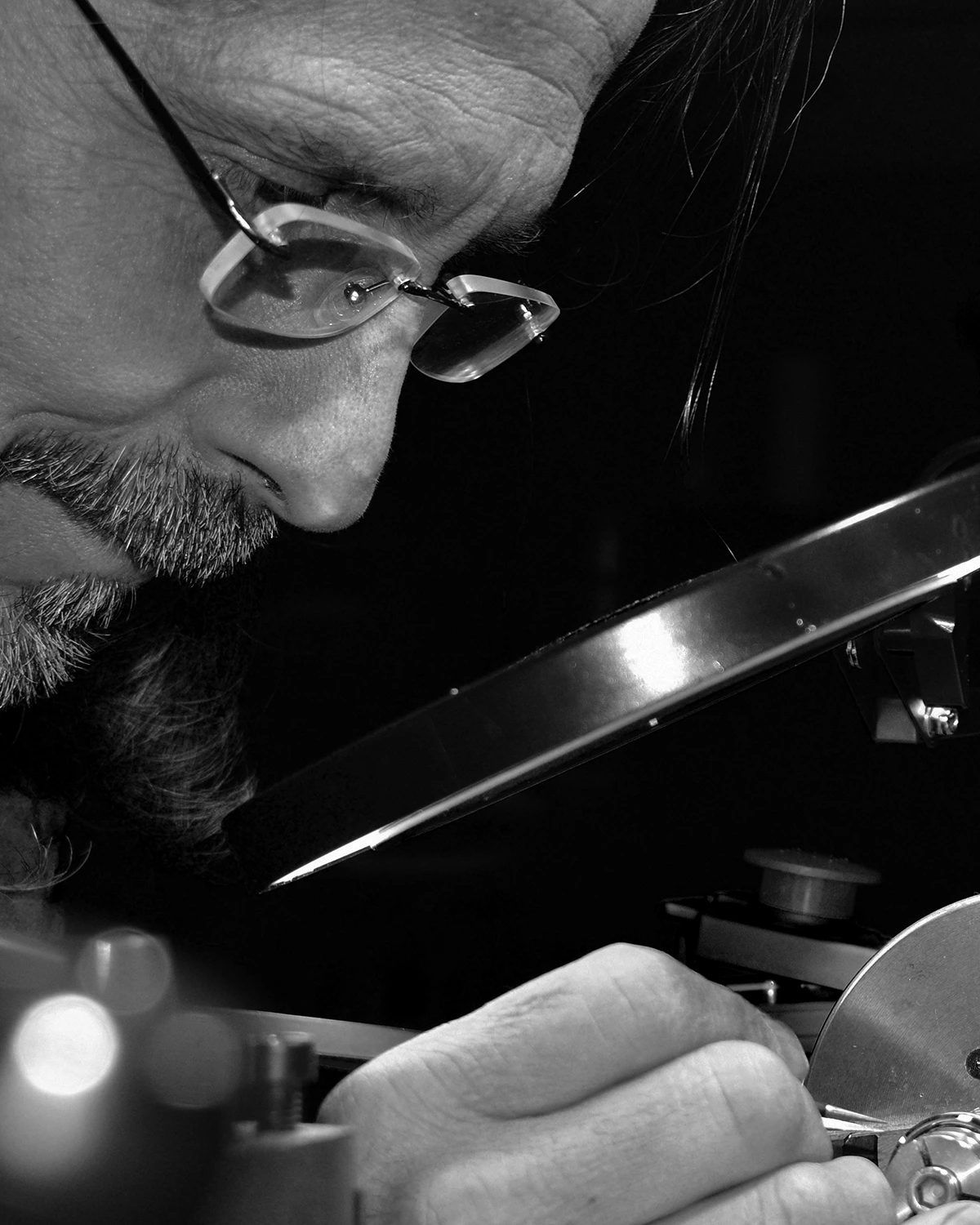
Every ring is handcrafted one at a time. Ashes and hair are handled with patience and concentration, only the necessary amount is used, and everything remaining is carefully protected and returned with the finished piece.
You do not have to carry grief alone
This page offers ideas for remembering someone, but it is not a substitute for the care of a trusted person, a support group, or a professional. When grief becomes too heavy, seeking support is one way of caring for yourself.
Free online resources developed with grief specialists and people who have experienced the death of someone important to them.
Explore the resources ? Gouvernement du QuébecOfficial information about grief, the different ways it may be experienced, and where to find help and support in Quebec.
View the official information ? Selected by FetstanOrganizations and businesses chosen for their compassionate approach and complementary services for individuals and families.
Discover the resources ?Questions often asked
No. Photographs, letters, personal belongings, hair, or ashes can be kept safely until a decision feels right. There is no need to rush into transforming a treasured memory.
They may remain in an urn, be placed in a meaningful location, be shared among loved ones when the family wishes, or be incorporated in a small quantity into a memorial object. The choice should respect the wishes of the person who died, the needs of the family, and any applicable rules.
Yes. When they are clearly identified and protected in a clean, dry, and secure container, you can wait as long as you need before deciding what you would like to do.
Only a very small amount is generally needed. Fetstan recommends approximately one quarter of a teaspoon. Only the necessary amount is used, and everything remaining is carefully returned with the finished piece.
It continues in the words passed down, the habits that stay with us, the stories we tell, and the gestures we choose in remembrance. If you would like to ask what may be possible to preserve, you are welcome to write to me with no obligation.
Write to Fetstan